
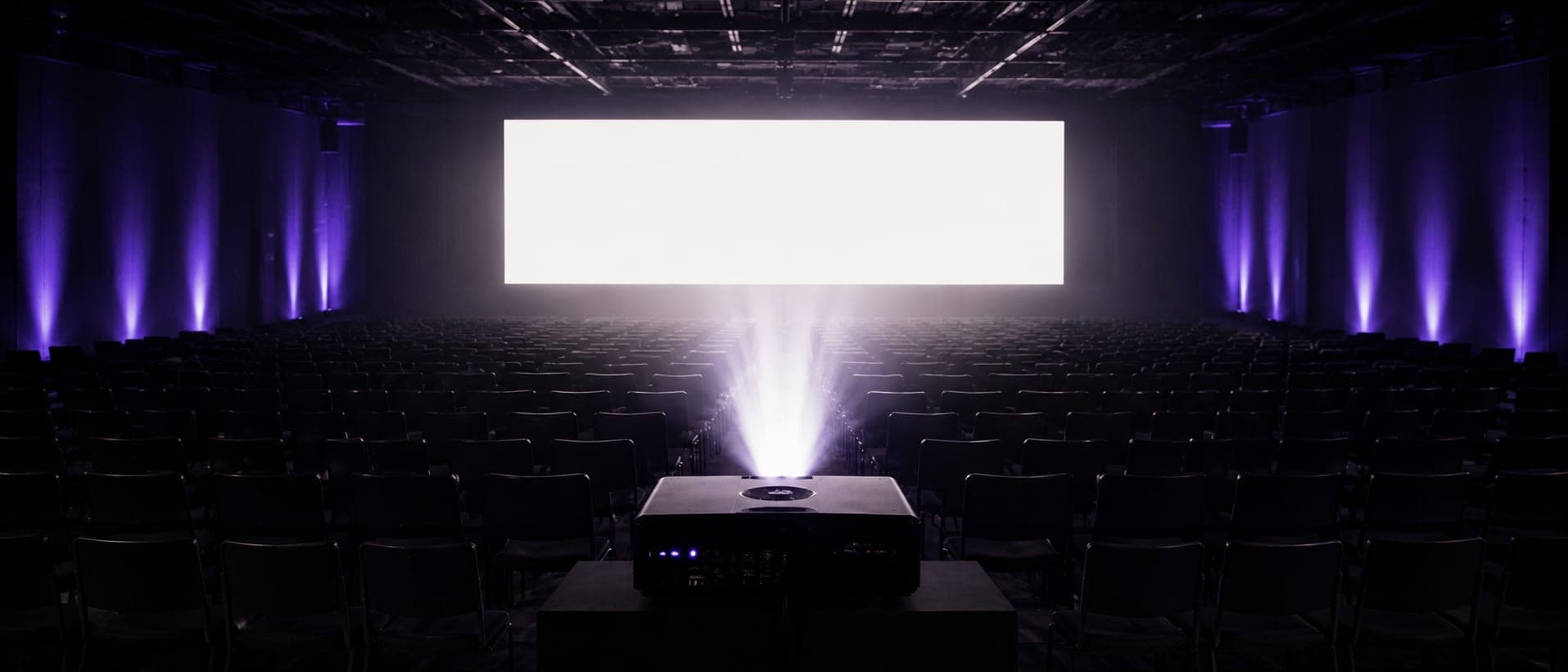
The annual kick-off has a clear objective: launch the new cycle with the team aligned on objectives and energised to start. The reality is that many kick-offs end up as ceremonial acts: a long leadership presentation, previous year data, new year targets, lunch, and back to the office. The impact is limited because the format does not help attendees internalise the messages.
The problem with typical kick-offs
The most common kick-off model involves leadership transmitting information while the team receives it passively. This model has limited effectiveness in generating commitment because information communicated at an event is not absorbed or internalised in the same way as when there is active participation. A kick-off that only informs can be replaced by a well-written email.
What makes a kick-off that activates different
A kick-off with impact has at least one of these characteristics: it allows attendees to do something with the information — debate, prioritise, react — it generates a genuinely celebratory moment — a recognition, a shared milestone, positive news — or it creates connection between people who do not usually interact.
Recommended structure
- Energising opening (not a long speech: a video, a dynamic, a guest speaker can work)
- Previous year recap: what worked, with honesty (15–20 minutes)
- New cycle objectives: communicated with context, not just figures (20–30 minutes)
- Group work: how the team can contribute from their function (45–60 minutes)
- Plenary and closing by leadership (15–20 minutes)
- Lunch as a space for unforced networking
In-person, hybrid or remote: how to decide
Companies with teams spread across several offices, or with part of the team working remotely, face an extra decision. Concentrating the kick-off at a single venue means travel and accommodation costs, but it produces a stronger event because the whole team shares the same space and the same moments. Splitting the kick-off across several venues connected by streaming lowers the cost, but dilutes the energy of the format: a group dynamic rarely works as well through a screen. The middle ground that tends to work best is bringing leadership teams and a representative sample from each office together at one physical venue, then sharing the key content with the rest of the team afterwards, with materials adapted for asynchronous viewing.
Leadership's role
Leadership's presence at a kick-off has more impact when it is close and honest than when it is formal and institutional. The messages teams value most in these events are those that acknowledge the difficulties of the past year, provide clear context for the objectives, and leave space for questions. A long speech with no room for reaction has far less impact.
Case study
MediaMarkt FestivalAnnual convention for MediaMarkt Spain's sales network, the continuation of a format consolidated year after year with the sales network as the protagonist.
When to hold the kick-off
The time of year a kick-off is held affects how well it works. Holding it the first week of January, right after the holidays, leaves little time to prepare and coincides with the return to routine, which saps energy from the event. Many companies get better results by pushing the kick-off to late January or even February, once the team has settled back into its working rhythm and the new cycle's objectives are better defined. Another common approach, especially in companies whose fiscal year does not match the calendar year, is aligning the kick-off with the actual start of the financial year, whatever month that falls in.
Production: how much is enough
A kick-off does not need gala-level production. What it does need is a comfortable space that facilitates participation, sound quality that allows people to listen comfortably for hours, and a programme that respects timing and does not run over. Over-production at a kick-off can create distance: the team feels the event is more of a show than a conversation.
Common mistakes when planning a kick-off
- Scheduling the kick-off the same day the team returns from holidays, with no time to settle back in
- Designing the whole programme from leadership without consulting the teams who will have to run it
- Spending more budget on visual production than on the content and structure of the programme
- Leaving no time for questions after important announcements
- Repeating the same format year after year without collecting feedback from the previous kick-off
The week after the kick-off
The impact of a kick-off is not measured on the day of the event but in the week that follows. If teams come back with a couple of concrete ideas and a sense that leadership was clear and accessible, the event has done its job. If the feeling is that it was a day out of the office with no consequences for the work, the format needs revisiting.