
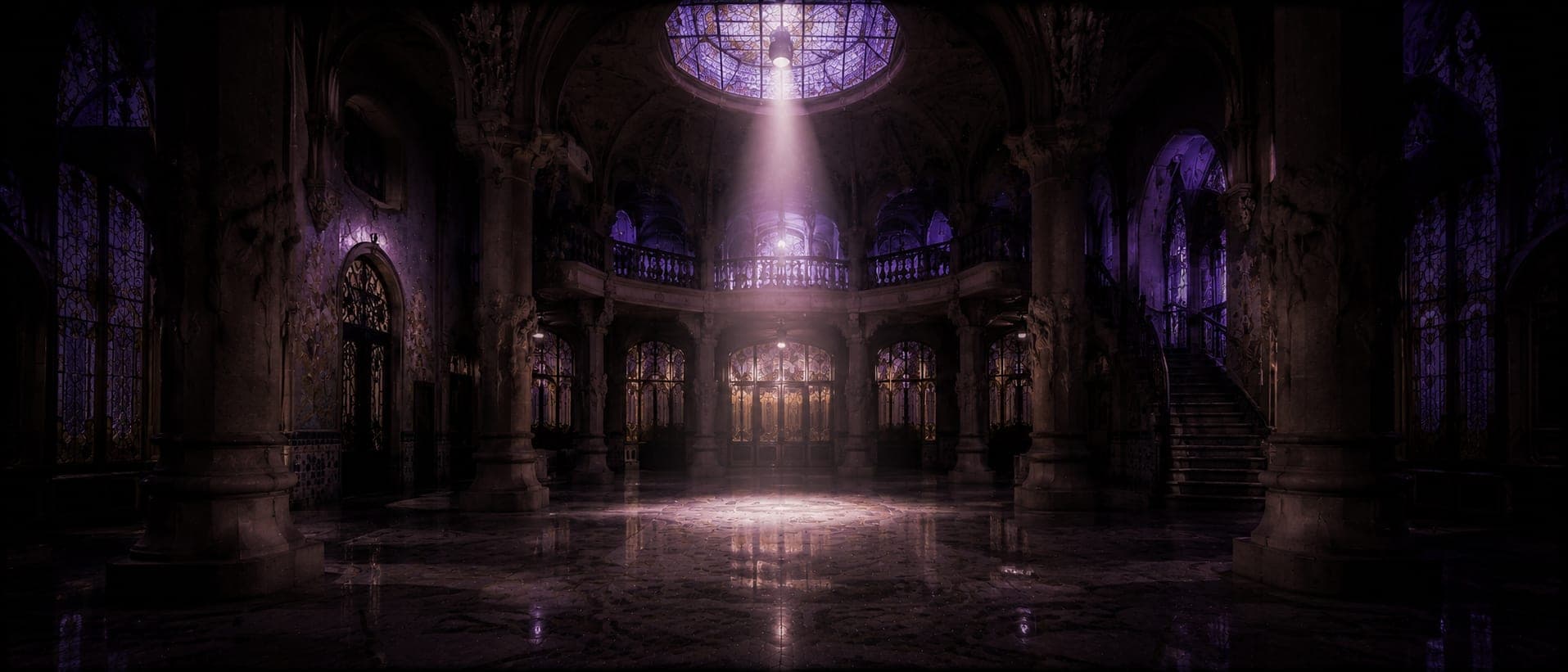
Choosing a venue is one of the first decisions any company makes when organising a corporate event, and one of the decisions that shapes the rest of the project the most — budget, what technical production is realistic, even what kind of programme makes sense. This guide isn't a generic list of "Barcelona's best venues": it's organised by type of corporate event, written for whoever has to make the decision on behalf of their company — not for someone looking to rent a room for a private celebration.
Heritage buildings: for galas and brand events
Modernist buildings, palaces and spaces with architectural value of their own work especially well for galas and brand events where the venue itself is part of the message. The trade-off is usually greater technical restriction — rigging points, power capacity, schedules — than in a space built for events from the ground up.
Case study
BCG Barcelona 2022A corporate convention for Boston Consulting Group at La Pedrera in Barcelona — a heritage venue adapted to demanding technical production.
Converted industrial spaces: for brand events and large conventions
Former factories and warehouses converted for events offer open floor plans and great flexibility for build, with fewer aesthetic restrictions than a heritage building. They're the most common choice for events that need their own set built from scratch.
Hotels and city-view venues: for launches and brand events
Hotels with panoramic function rooms or rooftops with city views form a third category, distinct from heritage buildings and industrial spaces: technical infrastructure already built in — climate control, sound systems, service lifts — combined with a contemporary look that works well for product launches and brand events aiming for a current aesthetic rather than a historic or industrial character.
Case study
BMW Conquista el CieloA product launch for BMW / Motor Munich at Hotel W Barcelona, using the venue's contemporary look and views as part of the staging itself.
Stated capacity versus real capacity
A venue's technical sheet usually states a maximum capacity calculated with no stage, no catering area and no circulation aisles. That number drops noticeably as soon as the actual production of the event is added: a riser, bar tables, a cloakroom area. Always asking for capacity with the specific build of the event in question, not the generic capacity on the sales sheet, avoids last-minute surprises with the confirmed guest count.
Access and load-in logistics
Venues in Barcelona's historic centre, heritage buildings especially, often come with restrictions on loading vehicles, limited hours for bringing in equipment, and lifts unsuited to large furniture or staging pieces. Confirming these details with the venue before locking in the production supplier avoids finding out on build day that the van doesn't fit through the planned entrance.
Barcelona's peak booking season
Spring and autumn concentrate most of Barcelona's congress and trade-fair activity, which saturates availability at the most sought-after venues well in advance. Booking a venue for a brand event or a convention in those months takes several extra months of lead time compared with what would be needed in low season.
Contract clauses worth reading closely
Many venues require working with their own exclusive catering provider, charge a refundable deposit contingent on the venue's final condition, or include mandatory public liability insurance to be arranged by the organiser. Reviewing these clauses before signing, not after, avoids added costs that don't show up in the initial rental price but can end up being a significant share of the venue's total budget.
Load-out time counts too
A venue's cost doesn't end with the hours the event itself runs. Many contracts include a limited load-out window after the party, and going over it triggers per-hour penalties that can be steep at heritage venues with restrictions on late-night noise and access. Budgeting a realistic amount of time for clearing production out, not just for setting it up beforehand, avoids financial surprises once the event wraps up.
Estates and outdoor spaces: for team building and summer parties
The Barcelona metropolitan area offers estates with gardens and outdoor spaces that adapt well to team-building activities and summer events. Weather dependency is the unavoidable trade-off of any predominantly outdoor venue.
Case study
Siris Capital · Wine Tasting Casa BatllóA paired wine tasting in gala dinner format at Antoni Gaudí's Casa Batlló, a UNESCO World Heritage site — an example of a heritage venue with real character.
Visit the venue before signing, always
Photographs of an event venue rarely convey the real acoustics, the natural light at the specific time of day the event will take place, or the actual condition of the technical facilities. An in-person visit before signing the contract — ideally at the same time of day planned for the event — avoids surprises no photo gallery can anticipate.
Choosing a venue shouldn't start with a list of beautiful places. It should start with the type of event, and work out from there which category of venue is worth visiting.