
A company convention is an internal communication event with a high production demand. It brings together part or all of the workforce — often from different offices or geographic regions — to convey objectives, communicate results, or launch a new cycle. Unlike a meeting or a working day, a convention has an event structure: stage, programme of acts, activities, catering, and in many cases, travel and accommodation management.
Duration and structure
Conventions typically run for between half a day and two days. Half-day or full-day formats are more common in companies with up to 300 people, or when attendees come from the same city. Two-day formats with overnight stay allow more content, more networking time, and team-building activities, but involve accommodation and transport logistics that add complexity and cost.
Structure of a convention day
- Arrival and registration (30–60 minutes)
- Opening plenary with leadership (60–90 minutes)
- Working or training sessions in the room (90–180 minutes)
- Lunch with networking function (60–90 minutes)
- Afternoon sessions: presentations, workshops, activities (90–120 minutes)
- Closing act and leadership address (30–45 minutes)
- Dinner or closing cocktail (optional, depending on format)
Stage and technical production
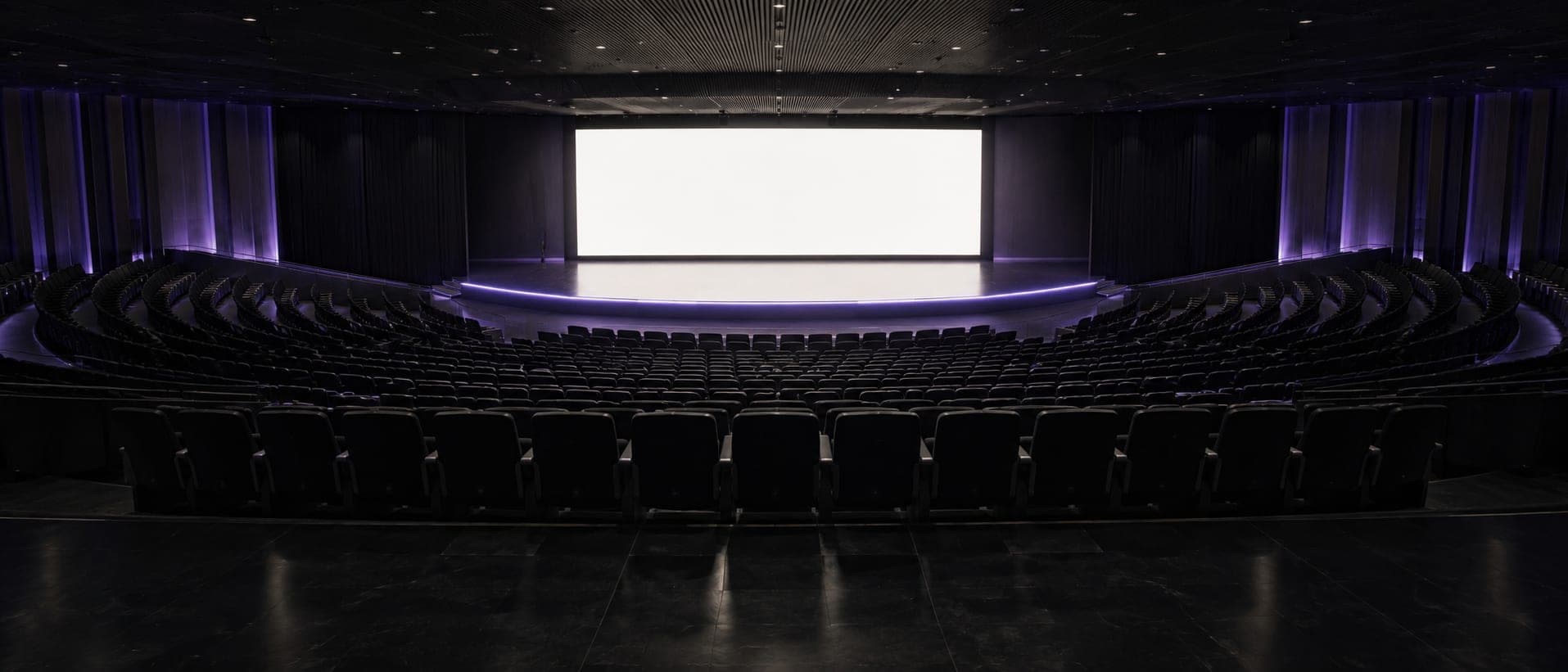
The technical production of a convention serves the content programme. The stage needs to be visible from anywhere in the room. Screens, if there are any, must allow comfortable reading from the back rows. Sound must be intelligible across the entire room, including the zones with the worst acoustics. At conventions of more than 200 people, a technical director coordinating sound, lighting, and video is standard.
Content vs. entertainment
A convention is not a show, but it should not be a meeting with catering either. The balance between content — working sessions, talks, results presentations — and lower-intensity moments — meals, activities, entertainment — determines whether attendees maintain focus throughout the day. Including activation tools — group dynamics, real-time questions, live polls — in the longer sessions helps maintain energy.
Case study
BCG Barcelona 2022Convention for the Boston Consulting Group team in Barcelona: working sessions, full technical production, and closing dinner.
Leadership's role during the convention
Leadership's role goes beyond delivering the opening or closing address. An active presence throughout the day — moving among attendees, taking part in activities — changes how the event is perceived. A leadership team that only appears to speak and disappears for the rest of the day comes across as hierarchical and distant. Preparing the leadership message with time, avoiding a literal slide read-through, is one of the variables that most influences how the content lands.
Case study
MediaMarkt Todos Queremos TodoThe 'Todos Queremos Todo' convention for the MediaMarkt team in Madrid, with working sessions, staging production, and activation dynamics for the entire workforce.
Travel and accommodation management
At conventions where attendees come from different cities or countries, travel and accommodation logistics can be the most complex part of the project. Coordinating flights, transfers from the airport, hotel bookings, and room assignments for 150 to 300 people requires detailed management and a clear communication system with attendees.
Convention budget: what ranges to expect
The per-person cost of a one-day convention without travel typically runs between 80 and 150 euros, including venue, catering, and basic technical production. With a gala dinner or heavier entertainment production, the range rises to between 150 and 250 euros per person. When travel and one night's accommodation are involved, total cost per person can double or triple depending on where attendees are coming from and the hotel category. Breaking the budget down into production, catering, accommodation, and transport helps identify where there is room to adjust.
Common mistakes in organising conventions
The most frequent mistake is overloading the content programme without breaks: after a session longer than 90 minutes with no pause, attention drops measurably. The second is not rehearsing transitions between speakers, which creates dead time that saps the day's pace. The third is underestimating check-in time for large workforces: allowing less than a minute per person at entry creates queues that delay the start and affect the rest of the programme.
Real organisation timelines
A one-day company convention for 200 people needs between two and four months of planning if travel is involved. Without travel, with a venue in the same city, it can be organised in six to eight weeks if decision-making is fast. The main bottleneck is usually not production but the internal approval of the content programme.